
The Home Retrofit Journey
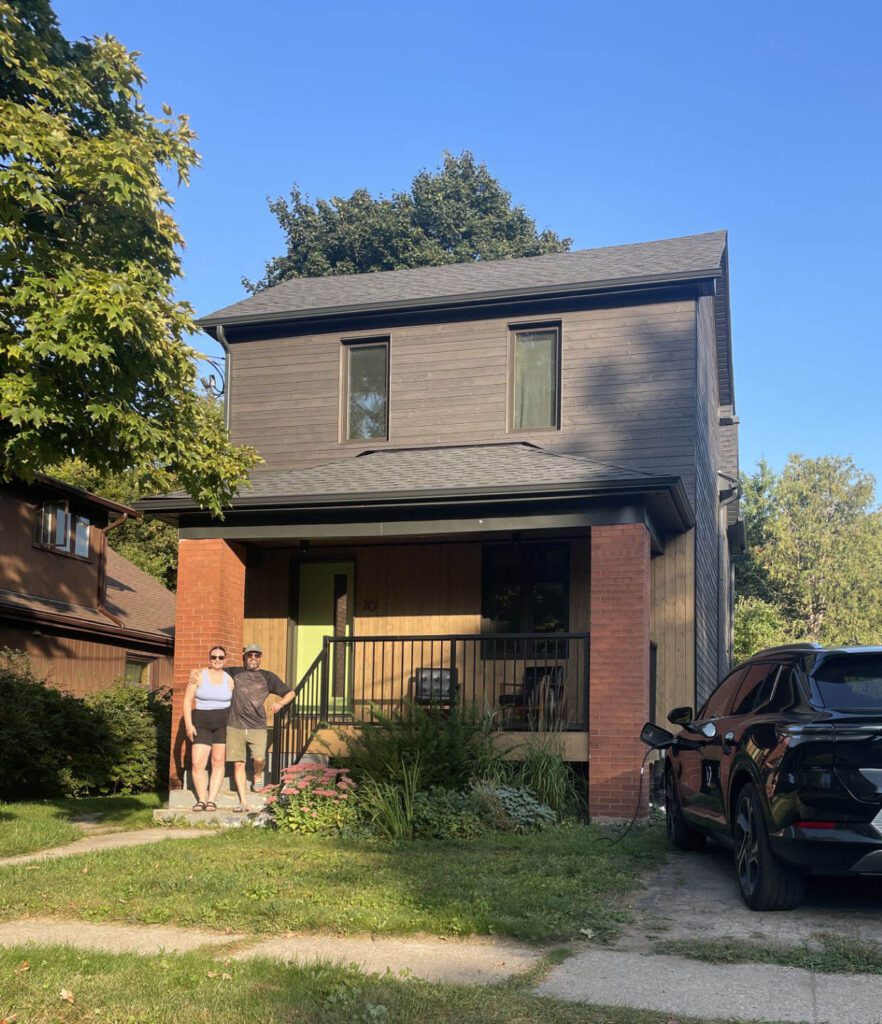
Emily and Andrew decided that their century-old house needed to be brought into the new millennium and leave in the past its leaky old windows and the chilly, dusty drafts they let in. The couple scheduled their first EnerGuide evaluation in May 2022.
“We were looking for a local company and knew of the great work Reep Green Solutions does to raise awareness about sustainability—so we chose them!” The couple explained, “We found [Mattias, our] energy advisor[,] to be very knowledgeable and they were able to help us navigate the sometimes-confusing Canada Greener Homes Loan process, which was much appreciated!”
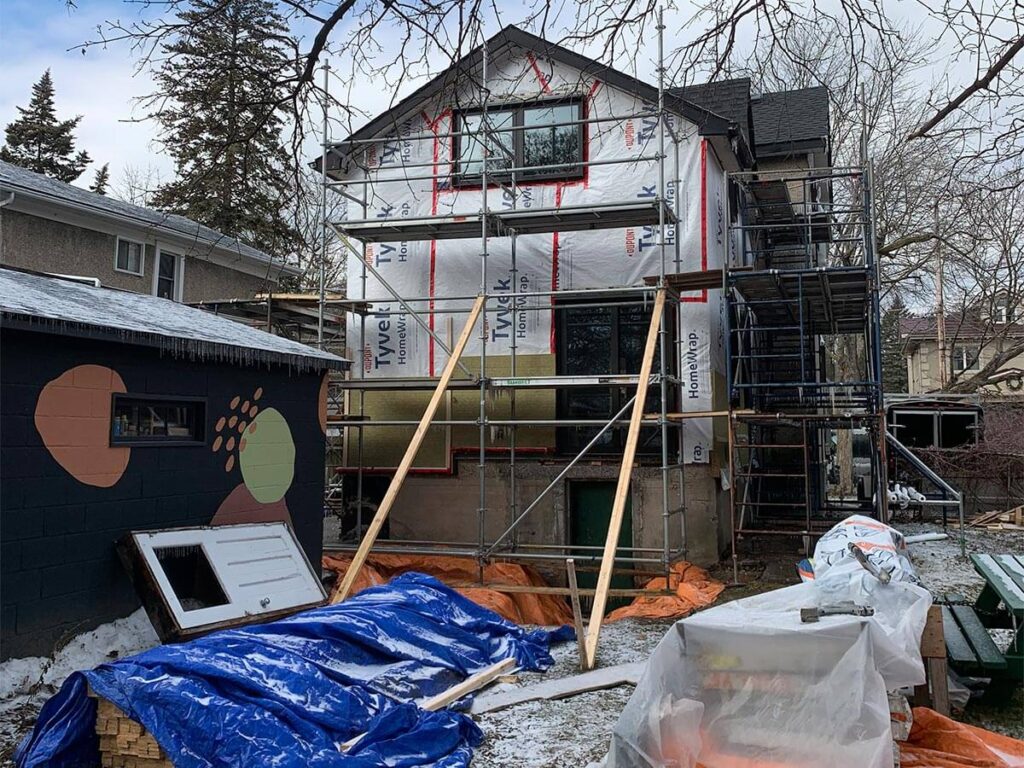
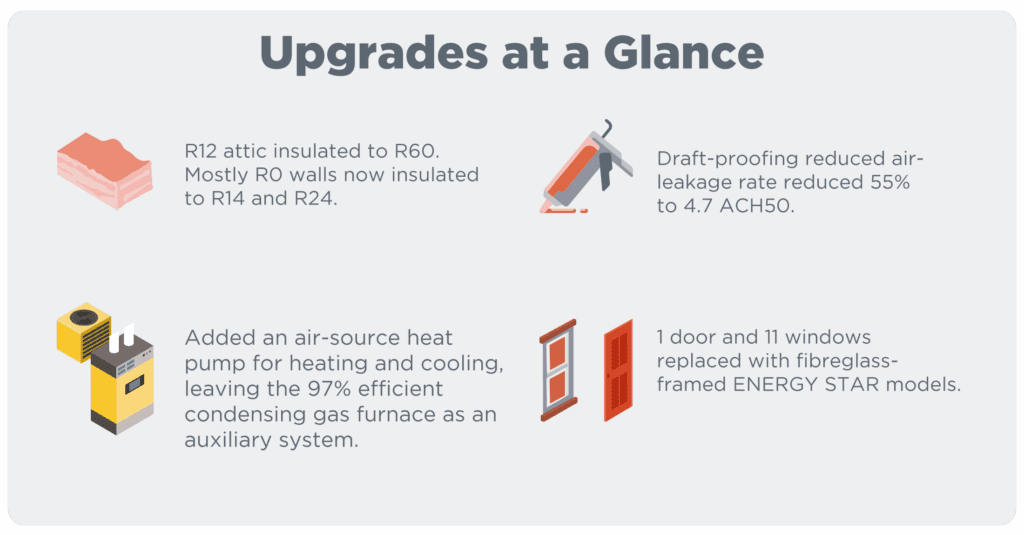
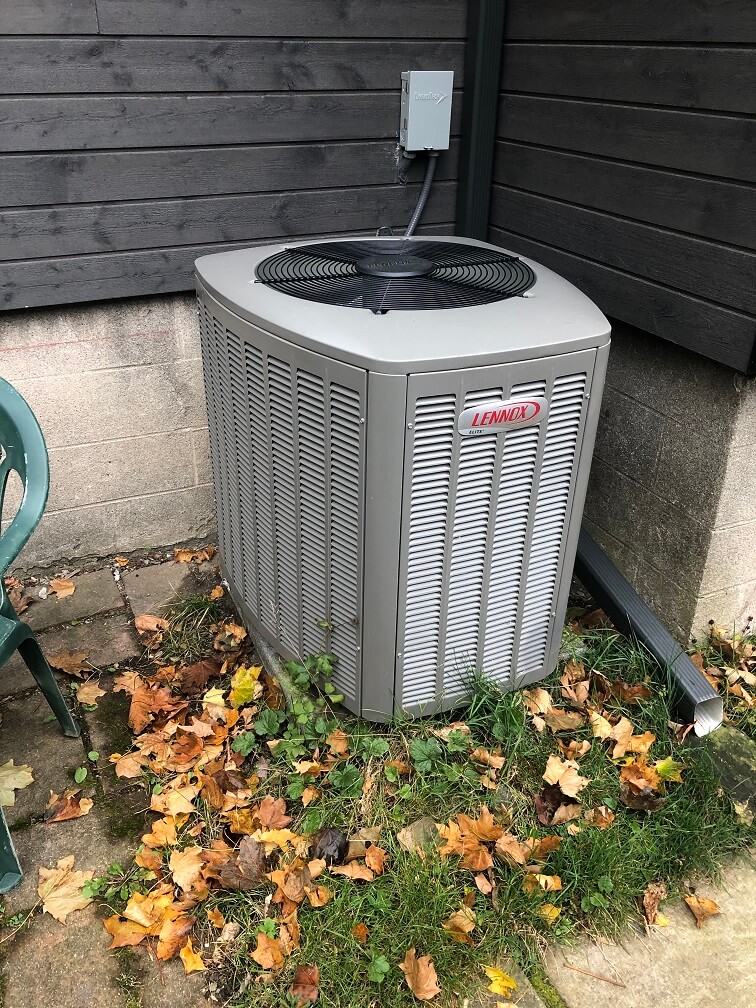
In August 2022, Hansen and Learmonth installed an air-source heat pump in their home to take over the heating for the cold months, keeping their existing condensing gas furnace as a complementary system for any exceptionally cold winter nights. In November, wall insulation was installed from the interior. In some sections of these walls, Emily and Andrew installed the mineral wool batt insulation themselves to save on a portion of the labour costs, while other sections were completed by their contractors. Window and door replacements, alongside draft-proofing work, were gradually completed the following year in 2023. The new ENERGY STAR fibreglass-framed windows are high-performance, durable units. More insulation and wood siding were added to the walls from the outside later that year.
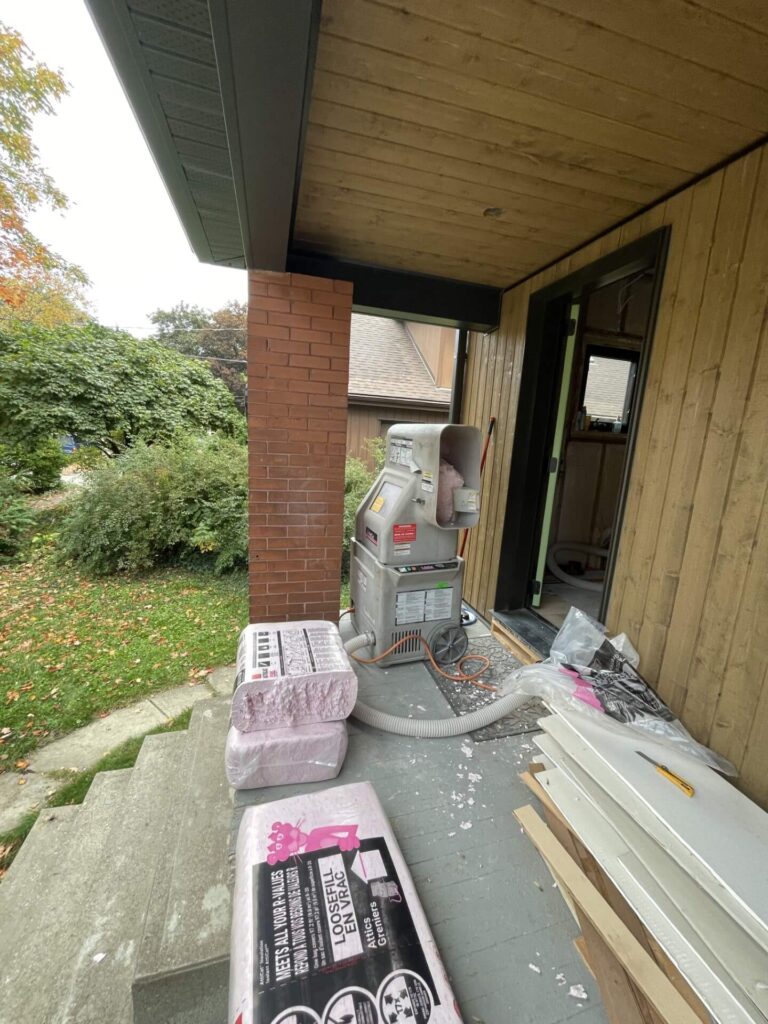
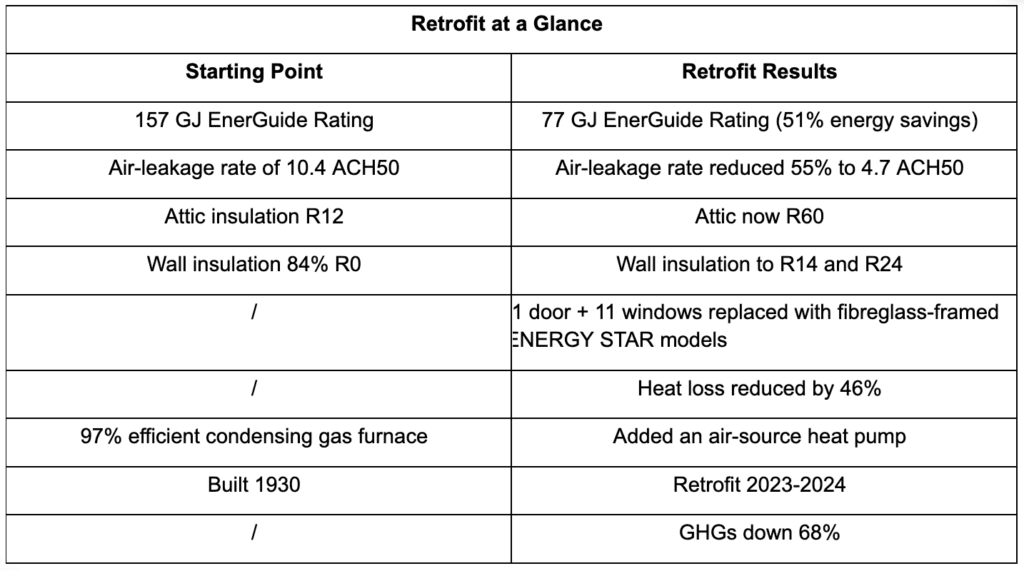
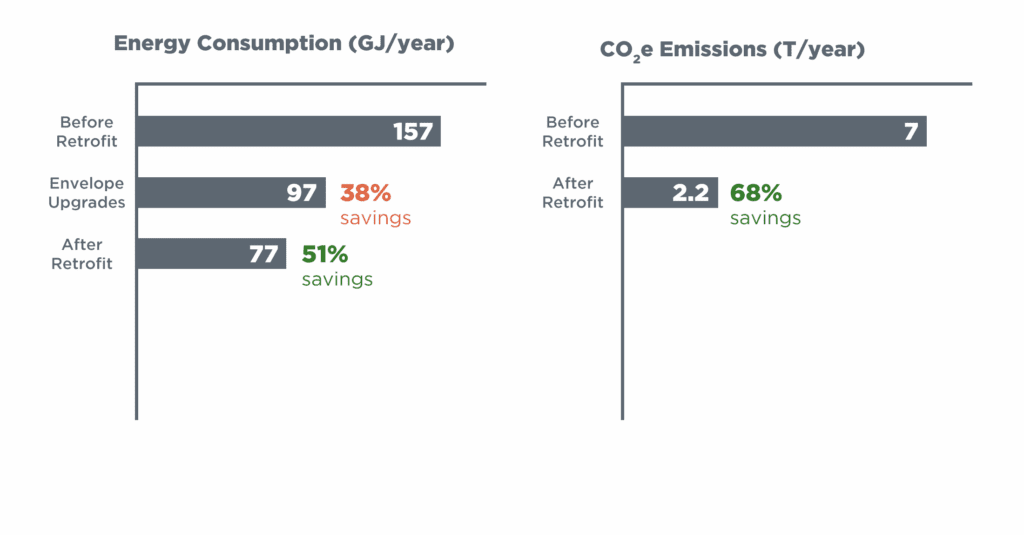
From just the envelope upgrades, the homeowners saved 50 GJ of annual operating energy use and cut their home’s heat loss by nearly half. “We knew it needed lots of work,” the homeowners declared, “but it wasn’t until we got into the renovation that we realized the extent of energy upgrades needed to make our home comfortable and enjoyable. The renovation was basically a full gut of the interior and exterior, so we knew it was the perfect time to make the kind of upgrades that would really add value, now and for the future. It needed lots of work which included aesthetic upgrades and improvements to mechanical, plumbing, and electrical systems.”
The Retrofit’s Benefits
Emily and Andrew’s house started off quite leaky and inefficient at over ten air-changes per hour. Theirs was a typical century home with little-to-no-insulation, old broken windows, and drafty inefficient doors. When all the work was done, their home became vastly more comfortable: warm in the winter and cool in the summer—no more water condensing onto the walls and freezing into ice! “Insulation and windows have made a big difference,” the couple explains, “Our home is much quieter and more comfortable, so we are glad we took the time and money to properly insulate it.”
The young couple also gets the satisfaction and peace of mind that their energy savings also translate into greenhouse gas savings of 4.8 tonnes of carbon emissions per year. That’s like taking one fossil-fueled car off the road for an entire year!
Financial Incentives and Climate Goals
Hansen and Learmonth tapped into the home energy efficiency supports made available to them by Natural Resources Canada’s Canada Greener Homes Grant and the Canada Greener Homes Loan provided by the Canada Mortgage and Housing Corporation. The young couple received the full $5,000 from the grant program, including the full $600 EnerGuide evaluation rebate, and about $26,000 from the interest-free loan program.
“We received the Greener Homes Loan and the maximum available rebate,” the couple stated, “This helped make it possible for us to take on such an extensive project. We are also currently checking our eligibility for the [Canada Revenue Agency’s GST/HST] New Housing Rebate.”
During their deep energy retrofit, Emily and Andrew encountered some trouble navigating the—sometimes—complex demands of retrofit incentive programs. “We had some support from our energy advisor but navigated most of it on our own. We also found that the documentation needed to apply for the Canada Greener Homes Loan and the quotes we received didn’t always match up. We ended up having to do a lot of back and forth with different vendors to get the correct documentation needed.”
Despite the few hurdles, this couple can now look forward to many comfortable years living in their deeply retrofit home. Their newly energy efficient house is not only more durable and resilient in the face of a changing climate, but cheaper and lower emissions to heat and cool. If Andrew and Emily do move to a new house, their old home will have all the love and investment paid forward to its new occupants. This wave of deep home energy retrofits is building to be a tidal movement that raises all boats.
Retrofit Summary