Mini Forests

What is a Mini Forest?

A mini forest — also known as a micro forest or tiny forest — is a community of native trees and shrubs planted closely together in an urban or suburban site based on the Miyawaki method. The method emphasizes the use of dense plantings: many different locally-native species are arranged in a tight multi-layered design that mimics the complexity of a native forest. With thoughtful soil preparation, this technique results in taller plants in a shorter time period.  

Mini forests provide a variety of ecosystem services that offer both environmental and social benefits. From reducing air pollution to increasing biodiversity, and providing necessary habitat for wildlife, these small plots can have a big impacts on their local environments. They provide much-needed green spaces for people to enjoy, offering mental health benefits and improving air quality. Mini forests also help reduce runoff, prevent flooding and mitigate the urban heat island effect. 

Adding a mini forest delivers big benefits

  • Improved mental health benefits
  • Rich habitat for wildlife
  • Improved air quality
  • Reduced heat island effect
  • Prevent flooding
  • Reduced storm water runoff

Growing Good News in Communities Across Canada
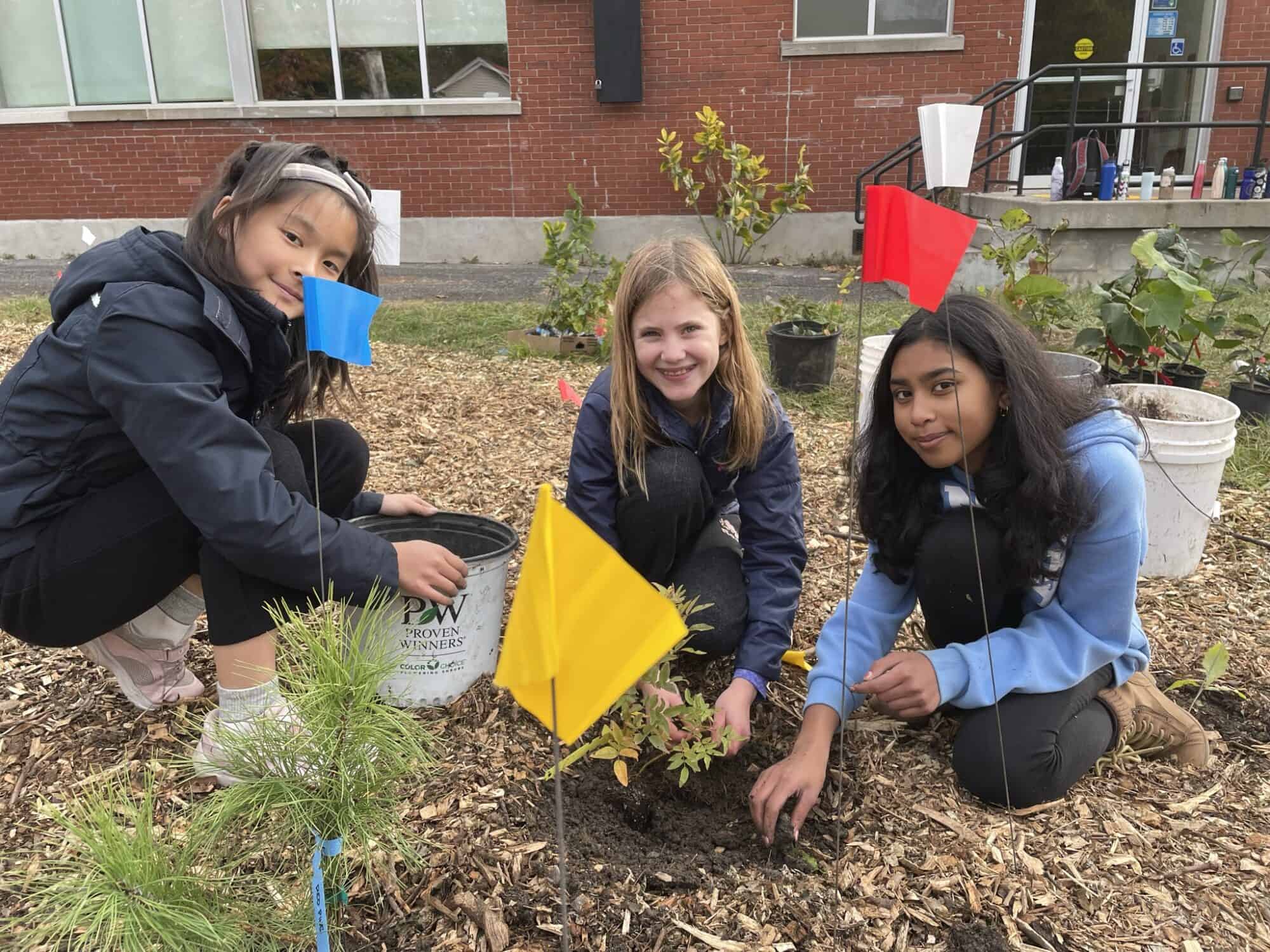
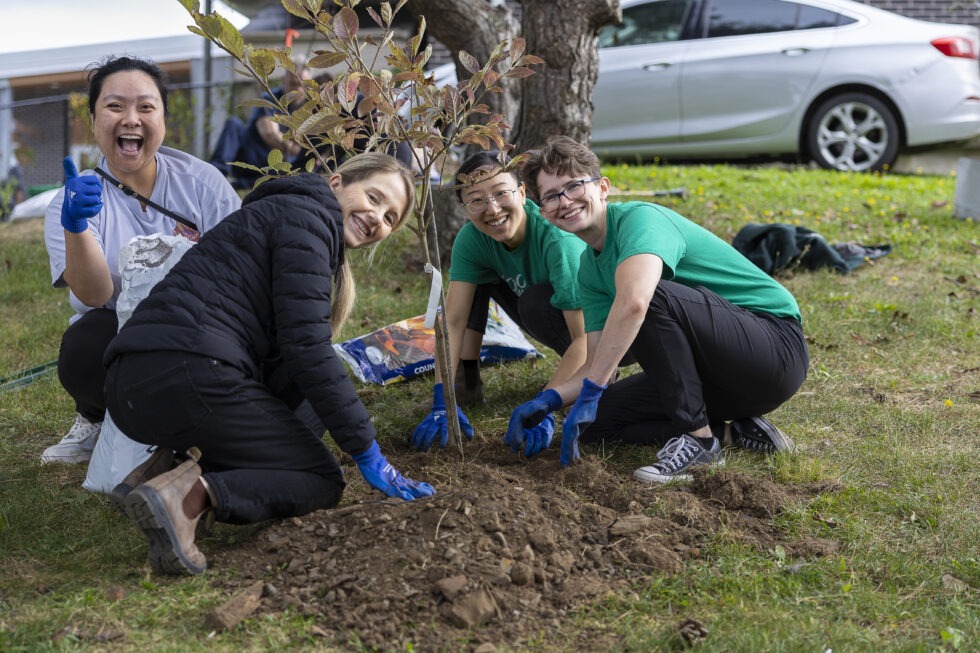
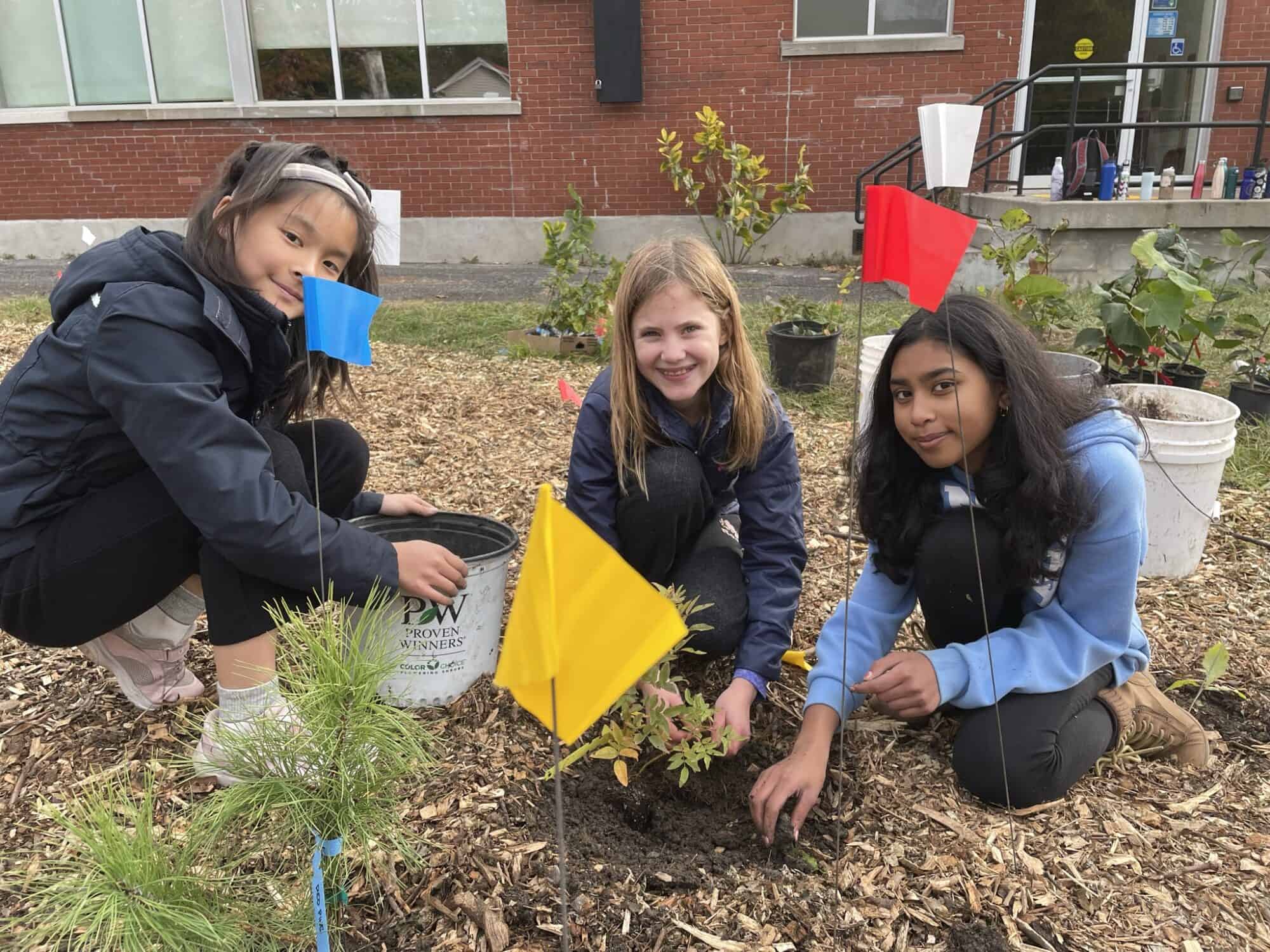
Children smiling and posing for camera while planting a mini forest.

Want to get started?

Get support to create a mini forest near you.

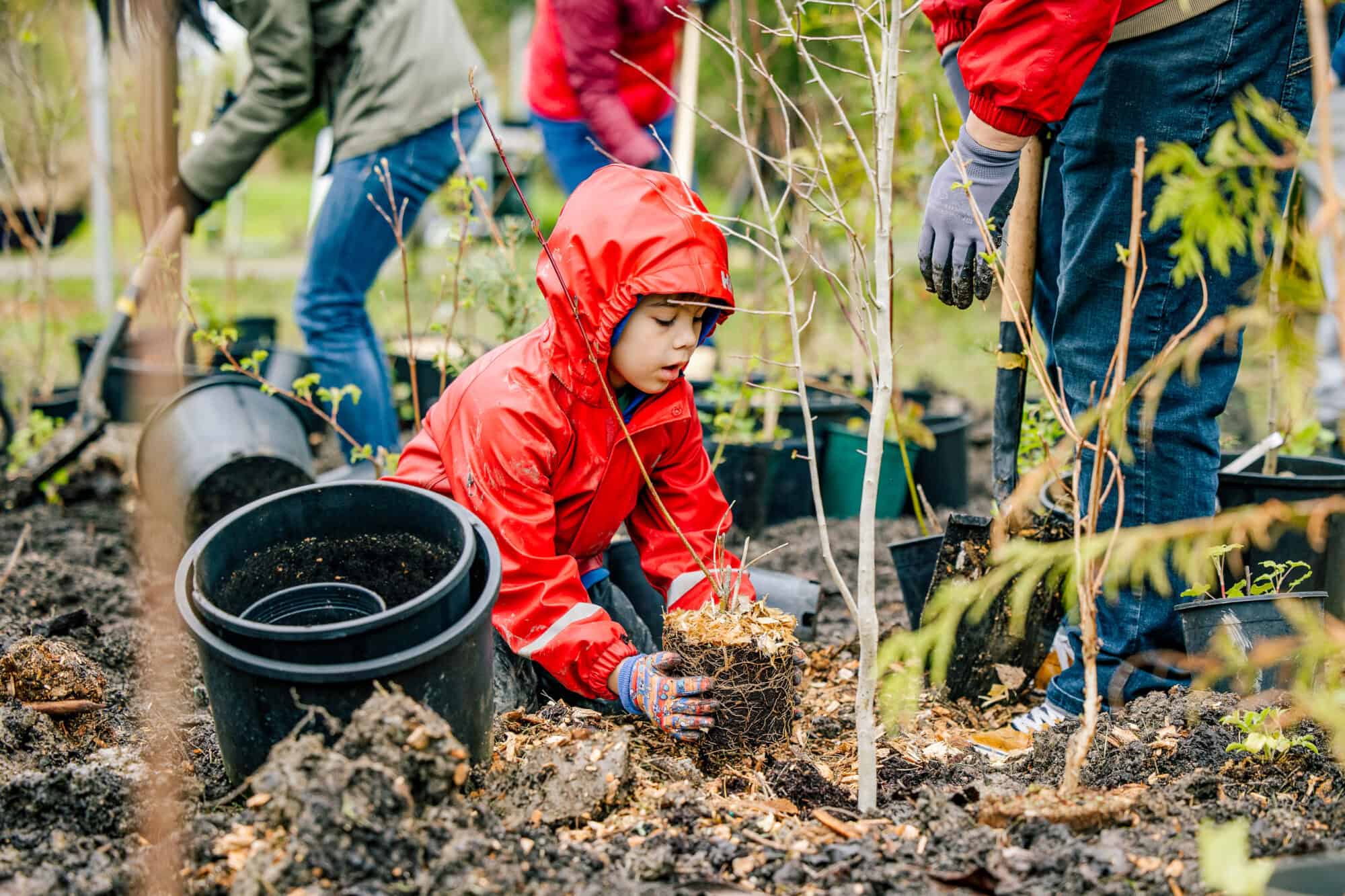
Kid planting a tree

Mini Forests in Canada

Green Communities Canada has been working on green infrastructure like Mini Forests in various capacities for over 15 years.

In 2022 we partnered with the Network of Nature to launch the Mini Forests program as the National Mini Forest Pilot. The intention was to address the growing need for green spaces in urban environments.

We continue to support local partner organizations and municipalities through our Mini Forests program to transform under-natured sites into thriving urban forests.

40+green infrastructure projects across Canada
8,000+m²transformed to green space
16,000+plants, shrubs, and trees
4,400+volunteers engaged
placeholder-icon

Timeline for Mini Forests in Canada

Follow the growing movement
2016
First in Canada

Stratford, Ontario

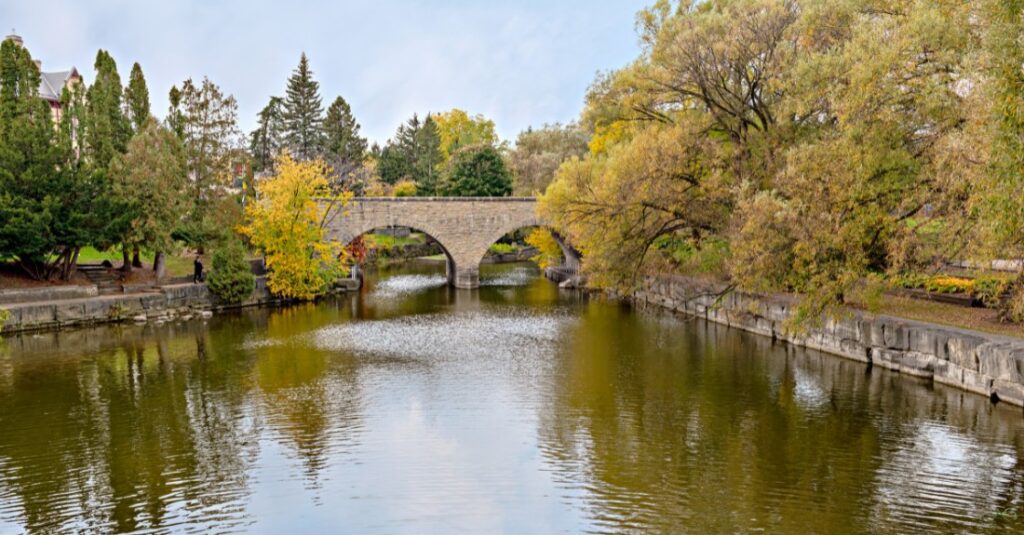
The first time a mini forest was planted in Canada using the Miyawaki method was in 2016. A mini forest was established in Stratford, Ontario. Since then, interest in this method of planting has grown substantially.

River in Stratford Ontario with forest and bridge.
2022
Launch

National Mini Forest Pilot

In 2022 GCC launched the two-year National Mini Forest Pilot. With support from Natural Resources Canada’s 2 Billion Trees Program, we planted 15 pilot sites across five provinces in 2022.

2023
Year Two

National Mini Forest Pilot

In year two of this pilot program, we planted an additional 17 mini forests and our community of practice grew to over 90 participants, including practitioners from a wide range of community-based environmental non-profits, urban forestry professions, and municipal departments.

2024
Year Three

A forest by any other name…

Green Communities Canada has now planted over 45 mini forests in eight provinces. But the mini forests movement has grown beyond our organization. The City of Montreal announces their intention to plant 15 “micro forests.” EnviroCentre – a member of GCC – is planting “tiny forests” at multiple locations in Ottawa.
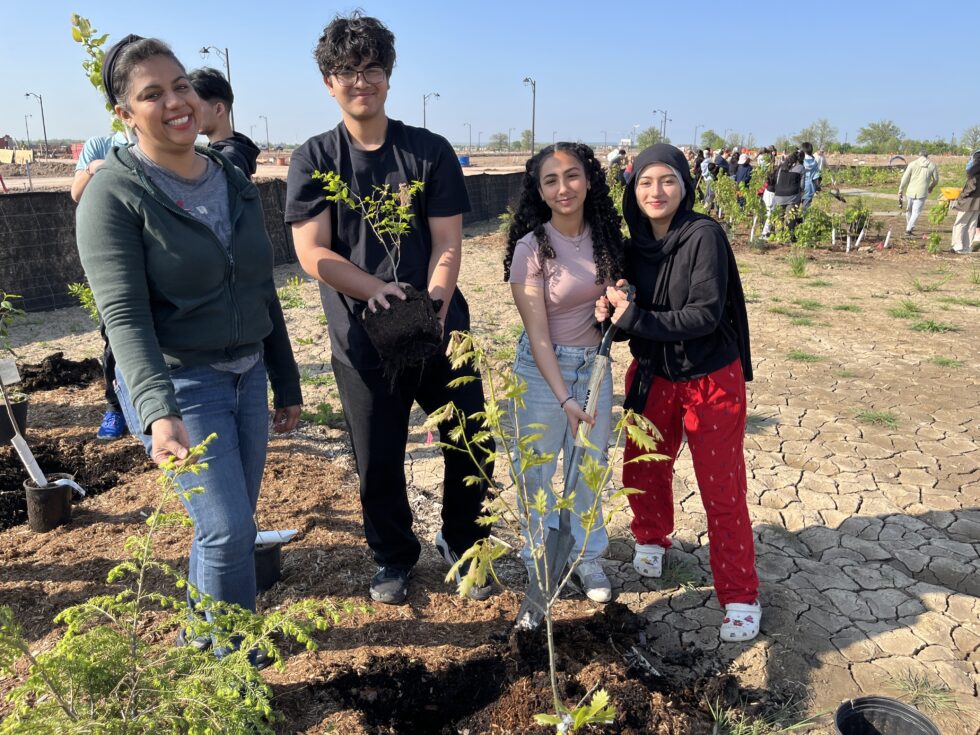
Four youth gathered around a newly planted tree in fresh soil. One of them is holding a shovel. All of them are smiling into the camera.
2025
Year Four

Growing the Mini Forest Movement

In January of 2025, Green Communities Canada hosts a Voices for Action webinar on “Growing the Mini Forest Movement in Canada.” This webinar features Green Communities Canada’s own Tianna Mighty (Program Coordinator, Green Infrastructure), as well as Professor Tahia Devisscher (Assistant Professor, UBC Faculty of Forestry), Kristen Bill (Project Manager, Forest Health, City of Hamilton), and Sharon MacGougan (President, Garden City Conservation Society).

Watch the webinar here
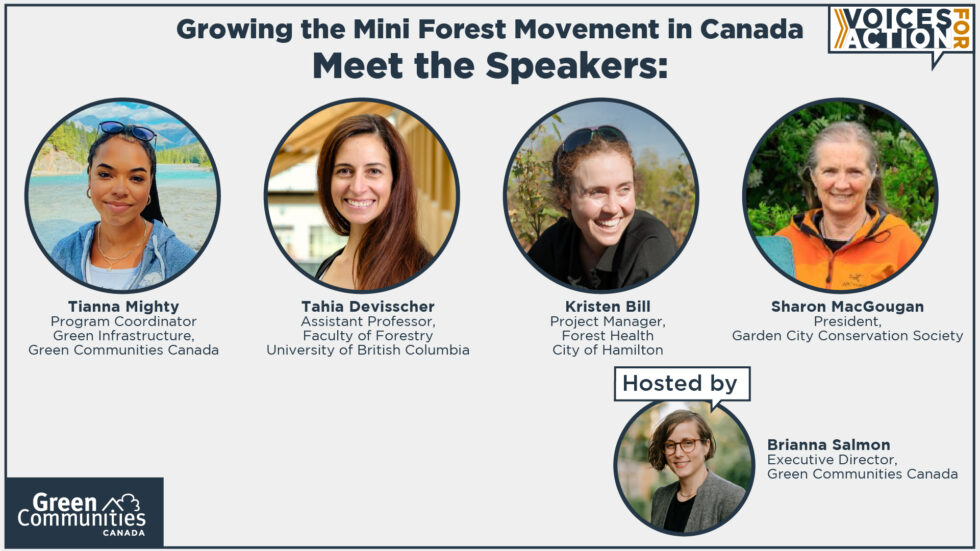
Presentation slide featuring 4 speakers and host for the mini forest movement
2025
Seeds of Change

Cultivating Mini Forests Across Canada

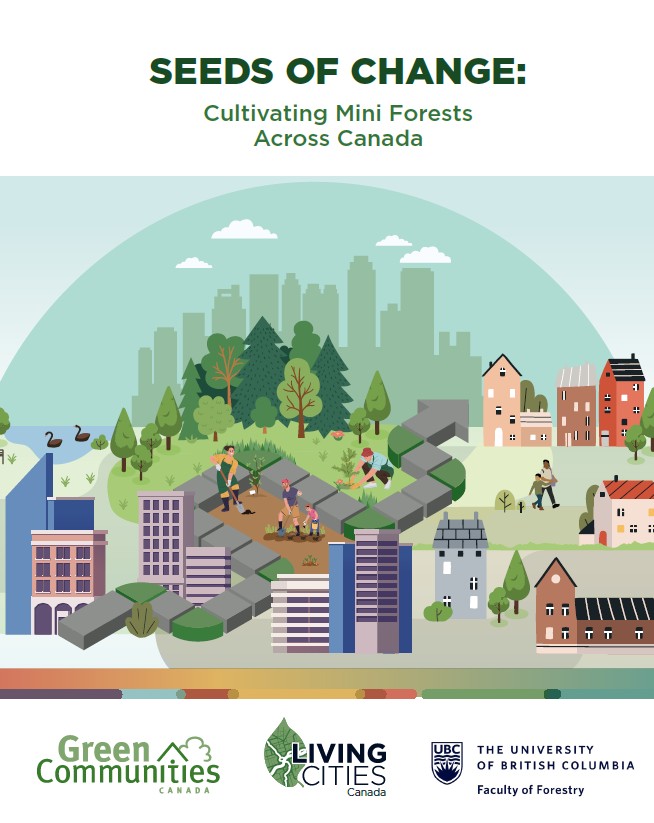
In partnership with Professor Tahia Devisscher and the UBC Faculty of Forestry, Green Communities Canada releases a report studying the rapid proliferation of mini forests across Canada. The report assesses the growth and functionality of mini forests, providing a better understanding of their benefits, their risks, and the mechanisms that can support their successful implementation.

Read the report
How to apply for funding?

If you’re part of a group or organization interested in creating a mini forest, consider applying for our Living Cities Canada Fund. Check out our handy resource on how you can apply.

Green Infrastructure Stories

We are growing good news in communities across Canada.
An image of a woman and a young girl at a planting site. They are crouched down around a newly planted tree. There is a dark green block at the top that says "Demonstrate Stream Applications Now Open! Apply by December 1, 2025." Another dark green block at the bottom has the Living Cities Canada and GCC logos.

Intake Open for 2026 Demonstrate Stream of Living Cities Canada Fund

November 14, 2025

Apply by December 1, 2025, at 11:59 pm ET Apply Now We’re excited to announce that applications are now open for the 2026 Demonstrate Stream…

Continue Reading
A view of Parliament Hill with the text "Response to 2025 Federal Budget" with the GCC logo at the bottom right.

Response to 2025 Federal Budget

November 5, 2025

While Green Communities Canada (GCC) welcomes the confirmation of several commitments in the 2025 Federal Budget, we await crucial details on investments in nature-based solutions, active transportation, and electrifying…

Continue Reading
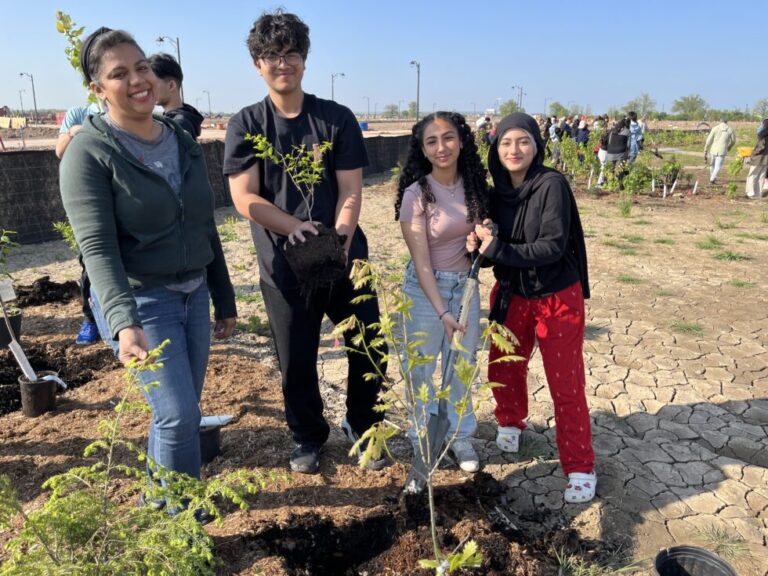
Four youth gathered around a newly planted tree in fresh soil. One of them is holding a shovel. All of them are smiling into the camera.

Digging Deeper: How Soil Health Research Supports Canada’s Mini Forest Movement 

September 18, 2025

The healthy growth of any planting project depends on its foundation: the soil provides the structure, nutrients, and microbial life that our gardens and forests…

Continue Reading
View all blogs

Green Infrastructure Resources

Green Communities Canada has developed useful resources to support a wide variety of community-based green infrastructure initiatives. From participator site planning and designing, to video guides, and free online courses – check it out!

Green Infrastructure
Tools

What Is a Rain Garden? Benefits, Examples, and How to Get Started

Members | Municipalities | Residents
Green Infrastructure
Tools

What Is a Mini Forest? How Small Forests Create Big Change

Members | Municipalities | Residents
Green Infrastructure
Case Study | Publication | Tools

Select Green Infrastructure Leadership and Resources 2010-2020

Members | Municipalities | Residents
Green Infrastructure
Publication

Pathways to Living Cities Policy Framework

Members | Municipalities | Residents
Green Infrastructure
Online Course

Mobilize Your Living City Online Course

Members | Municipalities | Residents
Green Infrastructure
Online Course

Mini Forest Training: Learn to Plan and Plant Native Urban Forests

Members | Municipalities | Residents
Green Infrastructure
Tools

How to Apply to the Living Cities Canada Fund

Members | Municipalities | Residents
Green Infrastructure
Video

How Depave Paradise Is Reimagining Urban Space Across Canada

Members | Municipalities | Residents
Green Infrastructure
Video

Inspiration for Green Infrastructure Projects

Municipalities
Green Infrastructure
Tools

Soak it Up! Toolkit and Scorecard for Reducing Stormwater Runoff

Citizens | Municipalities
Browse Our Extensive Resource Library

This site is registered on wpml.org as a development site. Switch to a production site key to remove this banner.