The purpose of this resource is to support the implementation of features that improve the safety and livability of streets by reducing motor vehicle speeds.
Description
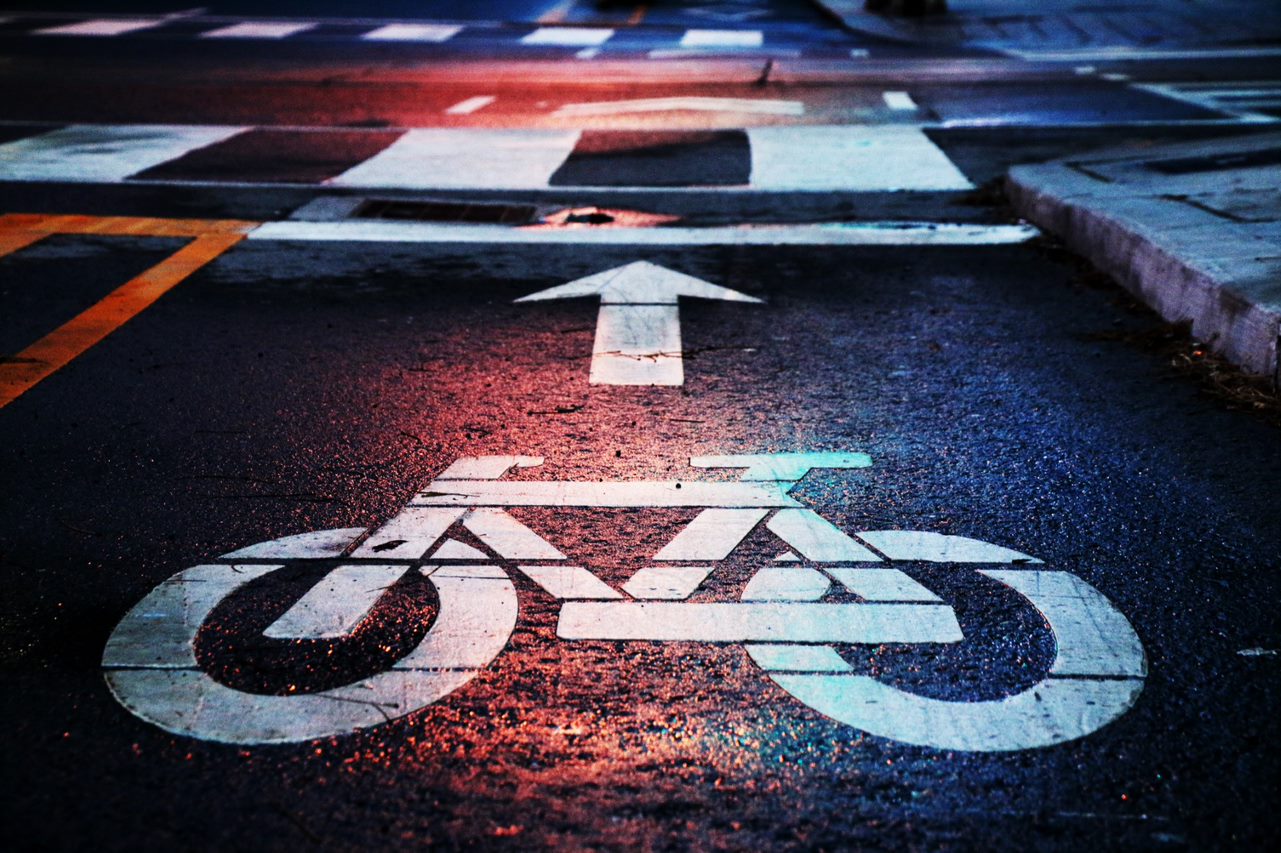
Traffic calming features are typically installed on local or residential roads by the municipality to reduce the speed of vehicles. Examples include: speed humps/bumps, curb extensions, traffic circles, raised median islands, and raised crosswalks or intersections. Bike lanes, on-street parking, and planter boxes/greenery in the roadway may also be considered forms of traffic calming because they narrow the roadway, which tends to encourage slower speeds and increase alertness of drivers.
There are differences across regions in the process for requesting traffic calming. If you are unsure of the process in your community, try searching your municipal website, speaking to a local government representative (e.g., town clerk, city councillor), or calling 311.
When requesting traffic calming, it is recommended to focus on the locations that the community is most concerned about, and to remain open to what the traffic/transportation professionals may determine is the best solution for each particular location. A Walkabout neighbourhood audit and/or a Family Travel Survey can be useful ways to gather and present community concerns around traffic speeds as part of undertaking Safer Streets Advocacy.
What you will need
- Information about the process/criteria for traffic calming in your region
- A list and/or map of the locations of concern in the neighbourhood
Who can help
Municipal staff, local councillors, parents/caregivers, students, and other community residents.
External Guides
The Guide to Safer Streets Near Schools (Path 2: Traffic Calming Measures) by The Centre for Active Transportation outlines Toronto’s Traffic Calming Policy, traditional traffic calming treatments, and other safety measures that can narrow roads and slow traffic speeds.
Key words
Slow, traffic, calm, car, speed, speed bumps, speed humps, vehicle, safety, street diet.