This guide is part of our series How to retrofit your home, a step-by-step pathway to making your home more efficient and comfortable.
1. Reasons why draftproofing is the single most important retrofit you can do.
Controlling air leakage or draft proofing will keep your home warmer in the winter while reducing maintenance costs due to moisture accumulation. And cooler in the summer heat.
Draft proofing your home will also mean your heating and cooling requirements will be lower, thus saving energy and reducing the size and therefore cost of equipment needed.
Air sealing is one of the most affordable and easy ways to improve the energy efficiency of a home. You can save up to 30 percent of your energy costs by air-sealing areas where energy loss occurs.
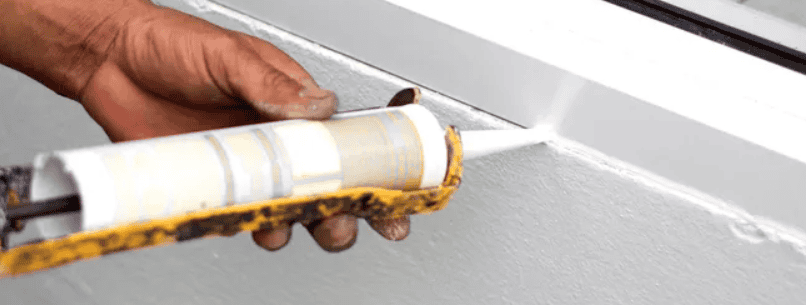
Comprehensive air leakage control is the systematic identification and sealing of as many air leakage paths as possible with weatherstripping and caulking and by applying gaskets and tapes.
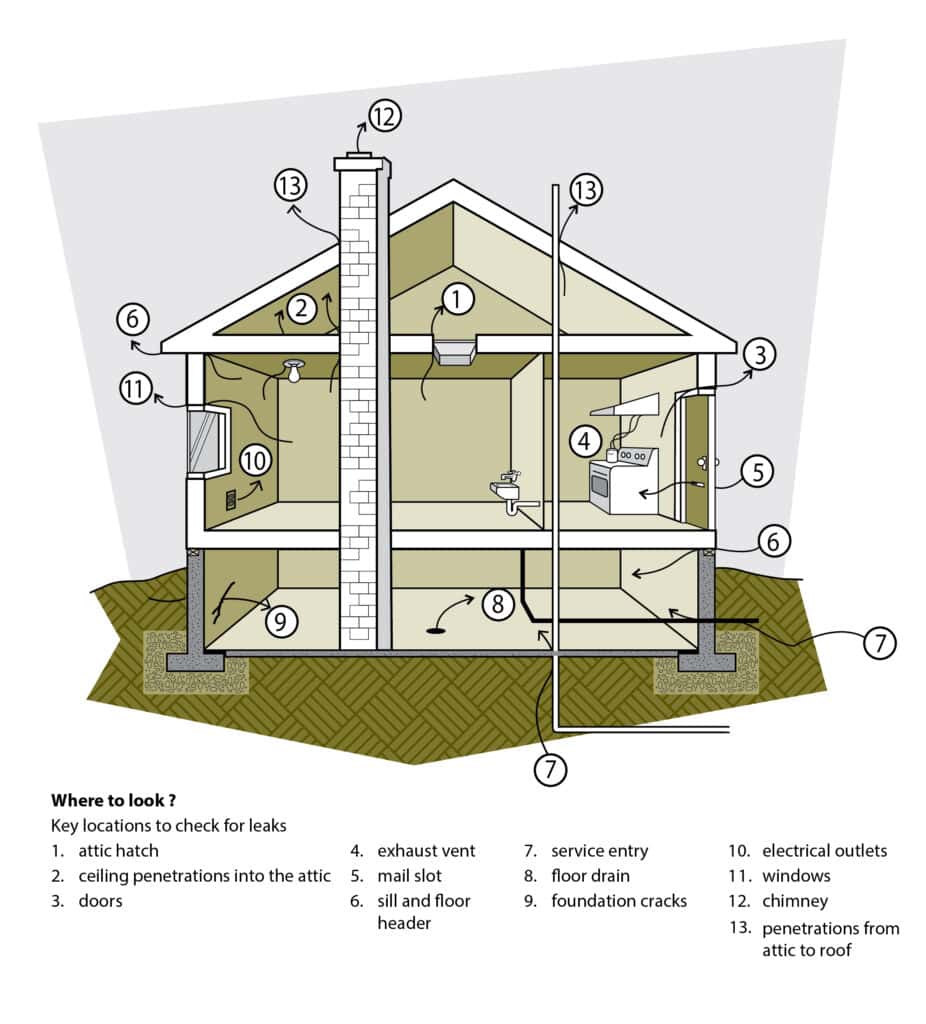
Did you know that your windows, doors, cracks in the walls, interior trim, and even light fixtures in the ceiling are potential leakage areas?
Air sealing is one of the most essential, yet cost-effective ways to improve the comfort and energy efficiency of your home – City of Saskatoon
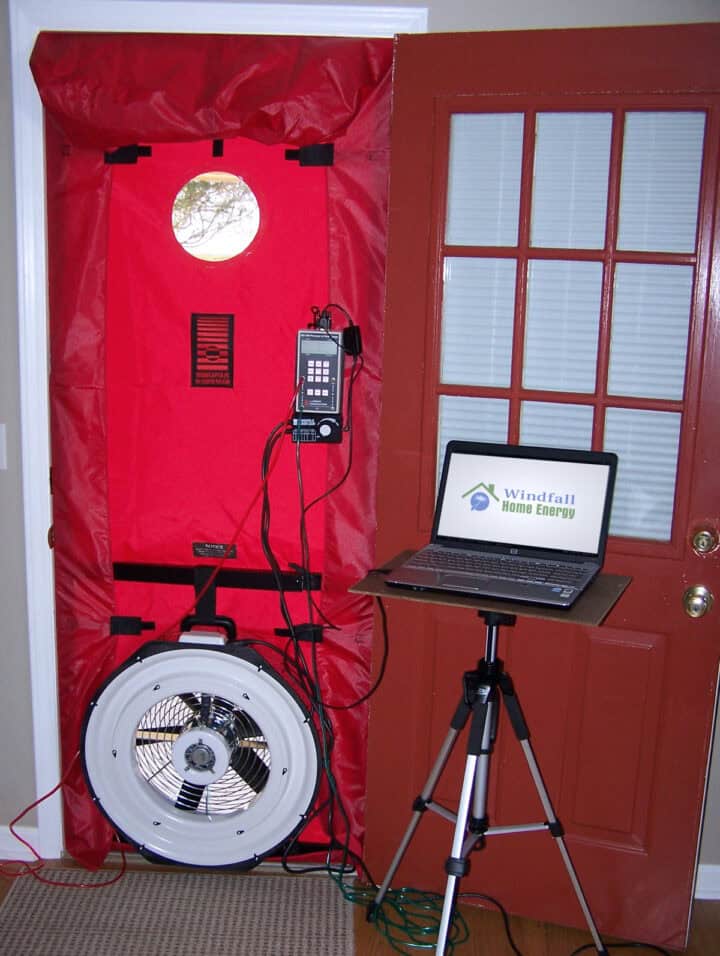
A blower door test is part of an EnerGuide audit of your home.
An assessment of your home’s airtightness can help you identify and reduce the amount of air that leaks into and out of your home. This can lead to lower heating and cooling costs.
It is important to note that houses lose heat in two ways:
directly through building materials (conduction)
and through air movement (convection).
Sealing air leaks is just as important as adding insulation. Air leaks can also contribute to moisture issues, so performing air sealing helps reduce the movement of moisture throughout the house and building materials.
By preventing the infiltration of pollutants and allergens, you can also improve the overall indoor air quality, making your home a healthier place to live. Additionally, sealing air leaks can enhance your comfort by providing better temperature consistency and reducing drafts, which can ultimately promote your overall well-being as a homeowner.
You may be very surprised to discover how many small air leaks your home has — which when added together may be the equivalent of one very large gaping hole! – Windfall Ecology Centre
b. Controlling air quality with ventilation
Air sealing checklist
You can save up to 30% of your energy costs by caulking cracks and plugging gaps on walls, inside and out.
Older homes typically have more air leaks around windows and doors, electrical outlets, and cracks in the foundation and walls. You can seal air leaks in your home with weather-stripping and caulking or by applying gaskets and tapes.
Inside the main living areas, check the following:
window glazings for tightness and around the window sash and casing
around the door, including the threshold and around the door frame
electrical outlets and switches, including ones on interior walls
exhaust fans and vents (these should vent to the outside and close properly when not in use)
corners where two walls meet with an imperfect seal
light fixtures in the ceiling
interior trim and baseboards
cracks in the wall finish or ceiling
the joint where a wood frame wall joins a masonry wall or chimney
doors and hatches into unheated attics
fireplace dampers and fireplace bricks
behind bathtubs and under sinks
above sliding pocket doors
around plumbing pipes and ductwork
Inside the attic, check the following (you may have to move aside existing insulation):
around the plumbing stack and any other pipes entering the attic
around wires or ceiling light fixtures that penetrate the attic floor
around ducting that enters the attic from inside the house
at the junction of the ceiling with interior wall partitions
around attic access doors
around chimneys
along any shared walls
the ceiling area in bathrooms and above stairwells
Inside the basement, check the following:
where the wood-frame wall (sill plate) meets the masonry (concrete or stone) foundation, or where joists penetrate the masonry wall
holes or gaps where the electrical service, gas servic,e or oil fill pipes go through the wall; be careful around electrical wires and gas pipes; do not disturb connections
holes for wiring, cabling, plumbing, and air conditioning pipes going into internal and external walls
leaky ducting or poorly fitted hot air registers or cold air intakes
A tighter house requires more attention to indoor air quality, which can be controlled with ventilation.
As the envelope is tightened, household humidity levels rise and can create condensation and moisture problems.
Additionally, as less fresh air is circulated through the house, less air becomes available for combustion appliances. All the more reason to upgrade mechanical equipment and appliances to non-combustion, electric options.
If your house is stuffy, has lingering odours, or has high humidity levels in fall and winter, it is likely that the house does not receive adequate ventilation. If the occupants have respiratory conditions such as asthma, bronchitis, or chronic colds, getting the proper amount of fresh air is even more important.
Windows can provide fresh air if there is a wind or driving force, but open windows can cause comfort problems, increase heating and cooling costs, and may be a security risk.
Using a mechanical ventilation system, such as an exhaust fan or a heat or energy recovery ventilator (HRV, ERV), can be more effective. The key point is that proper ventilation is important for your health and for your home.