11+ million homes on a path to zero emissions
That’s the goal. To have all of Canada’s over 11 million houses on a path to net zero by 2050. That’s why Green Communities Canada began the Deep Energy Retrofits program in 2022. We are building awareness and support homeowners undertaking deep energy retrofits.

Deep Energy Retrofits have many benefits:
- Reduced energy bills
- Increased home comfort
- Improved home durability
- Reduced maintenance costs
- Healthier indoor air quality
- Higher resale value
- Reduced greenhouse gas emissions
- Peace of mind in acting to combat the climate crisis
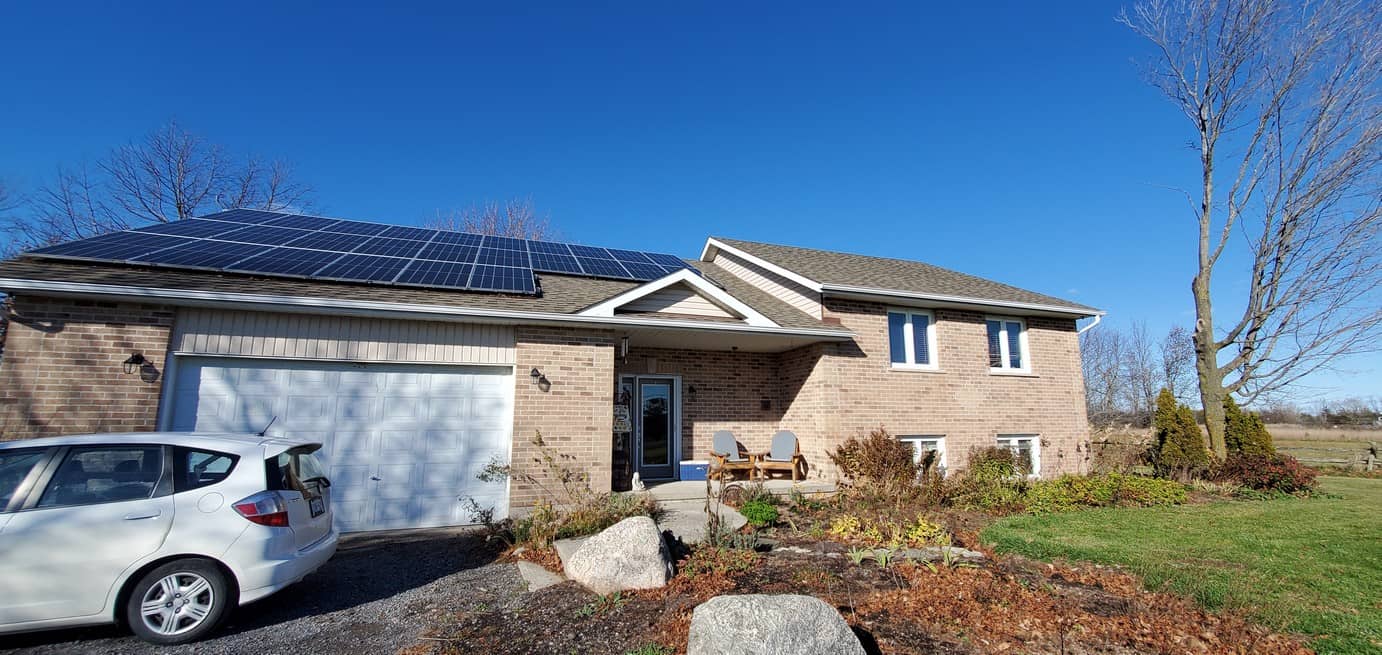
Saving the planet, and your money, one step at a time.
We need many more homeowners to conduct deep energy retrofits if we are to achieve our 2050 net zero targets.
Tackling climate change is overwhelming, unless you take it one step at a time. Similarly, retrofitting your home is a multi-step process that can feel overwhelming. Having a plan can help.
Every retrofit counts. Every reduction in emissions helps. Contact your local Registered Energy Advisor today to help guide your retrofit planning so that you get the most benefit with the least cost to you and the planet.
Creating Your Deep Energy Retrofit Plan
A good retrofit plan bundles upgrades into three steps to improve your home’s energy efficiency and reduce your costs as homeowner. Your starting point depends on the age of your home and the status of past upgrades.
Generally, planning and completing these steps in the recommended order maximizes the efficiency and impact of your retrofit.
Three Steps in a Deep Energy Retrofit Project
Inspecting And Upgrading Building Envelope
Heating is largest use of home energy. Your home’s building shell is inspected for its air leakage rate and insulation. Upgrades may include insulation in the basement, walls, exposed floors, and attic, along with window and door upgrades, and sealing and draft-proofing cracks and gaps around your home.
Retrofit Measures in Step 1
- Air leakage control: Air leakage can account for as much as 40% of the heat loss in our houses. Sealing cracks and gaps reduces this leakage. Air-sealing is done around windows, doors, vents, electrical and plumbing fixtures that bridge the interior and exterior of your home.
- Insulation: High insulation levels in the thermal boundary from the outdoors is the most reliable way to keep the heat in. Insulating the attic, basement, and exterior walls helps stop heat from either leaving your home in winter or entering your home in summer.
- Windows: Replacing old inefficient windows with high-efficiency EnergyStar windows greatly improves efficiency and comfort.
- Doors: Replacing old drafty doors with high-efficiency models is another way to boost energy efficiency and comfort.
- Ducts: Though not technically part of a home’s building envelope, in homes with centrally ducted HVAC-systems, air-sealing and insulating ducts can improve the efficiency of heating, cooling, and ventilation systems.
Upgrading Mechanicals
After improving the envelope of your home, you can now make a plan to update the heating and cooling equipment so that it precisely matches your home’s needs. This includes checking efficiency of space heating and cooling with your HVAC system, water heating equipment, lighting and other appliances.
Retrofit Measures in Step 2
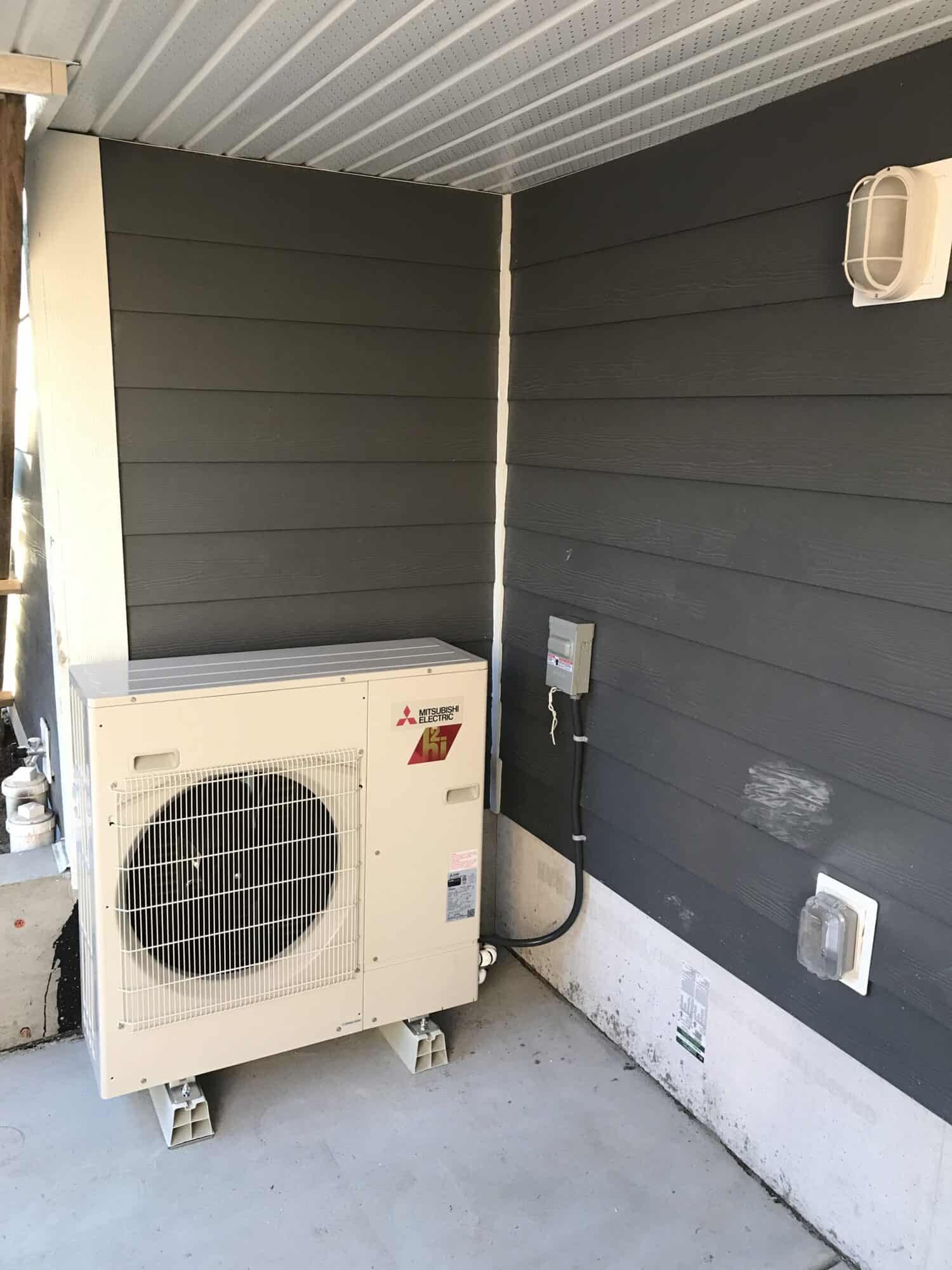
- Upgrading your furnace and air-conditioner to a heat pump system will cost less once your building envelope is upgraded since a smaller system can be installed.
- Water heating is the second largest area of household energy use and cost. Replacing your water heater with a heat pump water heater can increase efficiency and reduce costs.
- Upgrading ventilation with a heat-recovery ventilator (HRV) will ensure good air quality by introducing fresh air into the home and will pre-heat or pre-cool it with the stale air exhausted from the home.
- Adding a drain-water heat-recovery (DWHR) pipe will increase the energy efficiency of heating water by recycling residual heat from draining shower water to preheat water entering your water heater.
- Upgrading to a smart thermostat allows you to set a schedule for your mechanical systems or use artificial intelligence (AI) to find the most energy efficient settings for your household. Lower cost programmable thermostats can be a good option too.
Installing Renewables
After minimizing the amount of energy needed by the house through envelope and mechanical improvements, renewable energy supply can be added to provide the much smaller remaining energy requirement. This step includes installing roof or ground-mounted solar PV systems (home battery systems to store excess solar energy or cheaper off-peak grid electricity) and solar hot water systems.
Retrofit Measures in Step 3
- Adding solar photovoltaic systems to your roof or yard can help take your energy efficient home to net zero. Solar panels are largely modular and you can add more as you need or are able to.
- Adding a solar water heater can supply up to 60 per cent of a home’s domestic hot water needs. Like a drain-water heat-recovery (DWHR) pipe, a solar water heater pre-heats water from the municipal system before it reaches your water tank.
- Adding a home battery system and electric vehicle charging station allows you to store excess solar energy or cheap off-peak grid energy for later use. These batteries can also supply power during electrical outages.

Our Impact
How is Canada’s housing sector progressing relative to its net-zero targets? What do we need to do differently to achieve those targets? Green Communities Canada answers these questions in our Progress Report on Retrofitting Canada’s Homes.
Green Communities Canada answers these questions in our in-depth review of federal data on emissions reductions across all of Canada’s low-rise housing, and we also provide recommendations on how to meet our net-zero targets.
Home Energy Resources
What is a heat pump and is it appropriate for my home? What are the envelope and the mechanicals and why should I improve the envelope before updating the mechanicals? Where can I find incentives, rebates, and loan programs appropriate to my region and home? All these questions and more can be answered by searching in our Home Energy Resources and our Frequently Asked Questions.
Got Questions?
Here are some common questions our Home Energy Solutions team gets and, more importantly, the answers and additional resources we can point you to. Please also check out our Energy Retrofit Glossary if there are key terms you have questions about.
What is the EnerGuide Rating System?
The EnerGuide Rating System (ERS) was developed by Natural Resources Canada (NRCan) to provide transparency to Canadians about how much energy homes and products consume. The rating is expressed in Gigajoules consumed per year, and the lower the rating, the better. Learn more here.
Is an EnerGuide Rating of zero possible?
Yes. A rating of zero shows your home is ‘net-zero’, which means it produces as much energy as it consumes. It is not always easy (or cheap) to get to net-zero, but with Passive House strategies, a series of deep energy retrofits, and renewable energy, it is very much within reach. Some homes can go above and beyond zero to become net-positive homes that produce more energy than they consume.
What is “Energy-use Intensity”?
Energy-use Intensity (EUI) is a more accurate measure of how energy efficient a home is. A larger home will consume more energy than a smaller home even if they have the same level of efficiency. To calculate EUI, you must divide your EnerGuide Rating (GJ) by metres-squared (m2) of heated living space.
What is a “Net-zero Ready” certified home?
A home certified by the Canada Home Builders’ Association (CHBA) as “net-zero” produces as much energy as it consumes. A “net-zero ready” home has increased its energy efficiency through measures such as super-insulation so it consumes a fraction of the energy used by the average home. The addition of a renewable system like solar PV is all that is needed to turn a “net-zero ready” home into a net-zero home.
These homes also have the necessary structural and wiring upgrades to handle the addition of solar energy and the weight of roof panels.
Thank you to our Funders